Evolving a Design System to Support Organizational Scale
Partnering with Natural Intelligence to improve design infrastructure and enable efficient team growth.
Evolving a Design System to Support Organizational Scale
Partnering with Natural Intelligence to improve design infrastructure and enable efficient team growth.
Evolving a Design System to Support Organizational Scale
Partnering with Natural Intelligence to improve design infrastructure and enable efficient team growth.
Project Overview
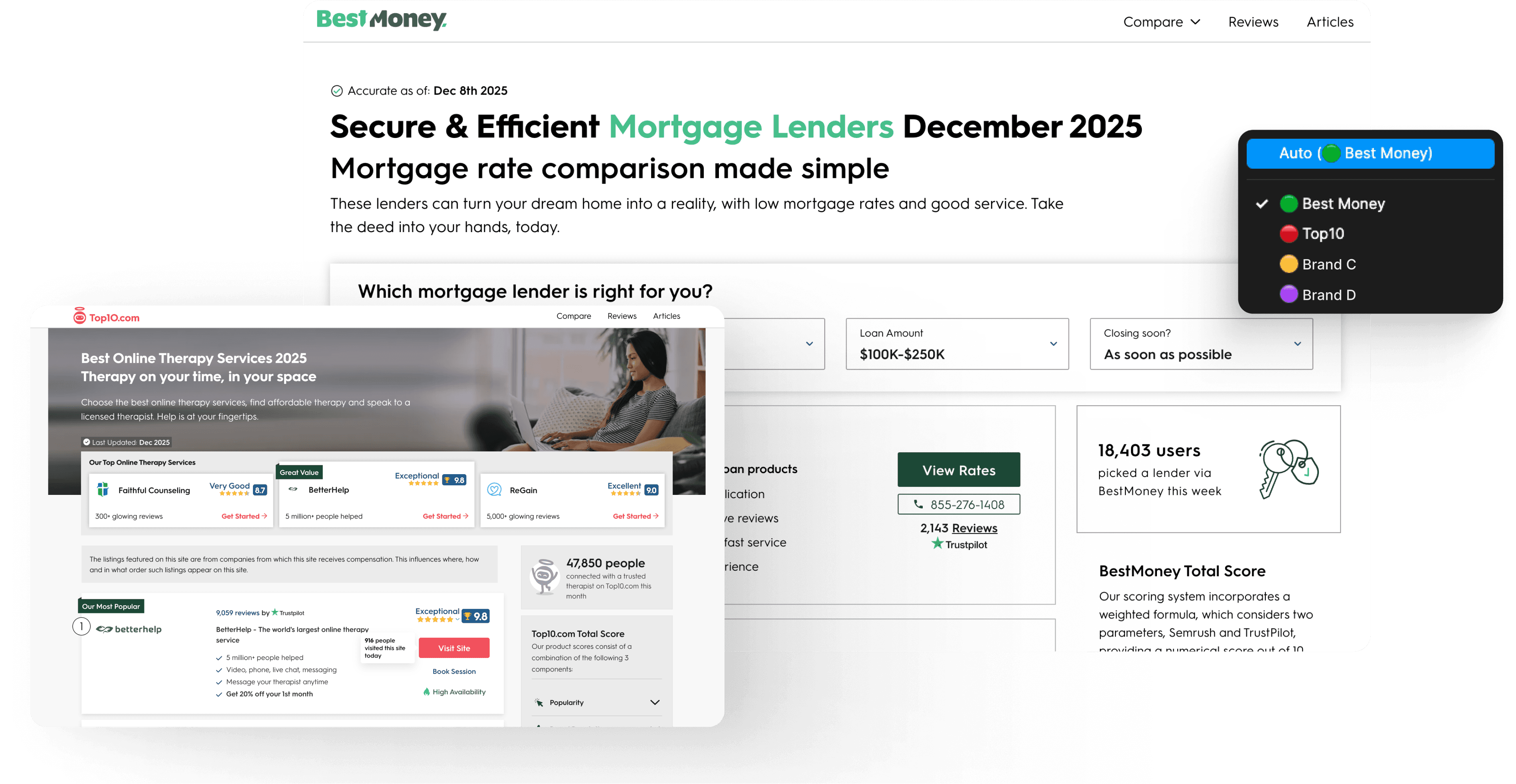
Natural Intelligence operates multiple products with many teams working in parallel. As complexity increased, their existing design system required thoughtful evolution. We partnered with their teams to strengthen system foundations and support continued growth.
Kido - strategic design operations partner
Ira Zubarev, Cheli Hirsh, Ori Porat, Yaron Yativ
Natural Intelligence - a creator of data-driven comparison platforms that help consumers make smarter purchasing decisions worldwide
Design System, Design Ops
System & Ops Designer
2025
Design System Scaling
Figma Enterprise
Variables Strategy
Flexible Components
Multi-mode Support
Project Overview
Natural Intelligence operates multiple products with many teams working in parallel. As complexity increased, their existing design system required thoughtful evolution. We partnered with their teams to strengthen system foundations and support continued growth.
Kido - strategic design operations partner
Ira Zubarev, Cheli Hirsh, Ori Porat, Yaron Yativ
Natural Intelligence - a creator of data-driven comparison platforms that help consumers make smarter purchasing decisions worldwide
Design System, Design Ops
System & Ops Designer
2025
Design System Scaling
Figma Enterprise
Variables Strategy
Flexible Components
Multi-mode Support
Project Overview
Natural Intelligence operates multiple products with many teams working in parallel. As complexity increased, their existing design system required thoughtful evolution. We partnered with their teams to strengthen system foundations and support continued growth.
Kido - strategic design operations partner
Ira Zubarev, Cheli Hirsh, Ori Porat, Yaron Yativ
Natural Intelligence - a creator of data-driven comparison platforms that help consumers make smarter purchasing decisions worldwide
Design System, Design Ops
System & Ops Designer
2025
Design System Scaling
Figma Enterprise
Variables Strategy
Flexible Components
Multi-mode Support
The Background
Natural Intelligence is a technology company that drives consumer acquisition through comparison websites, helping users make informed choices across sectors such as finance, insurance, and travel.
The organization works at scale, with many cross-functional squads and several design teams collaborating on different products and surfaces.
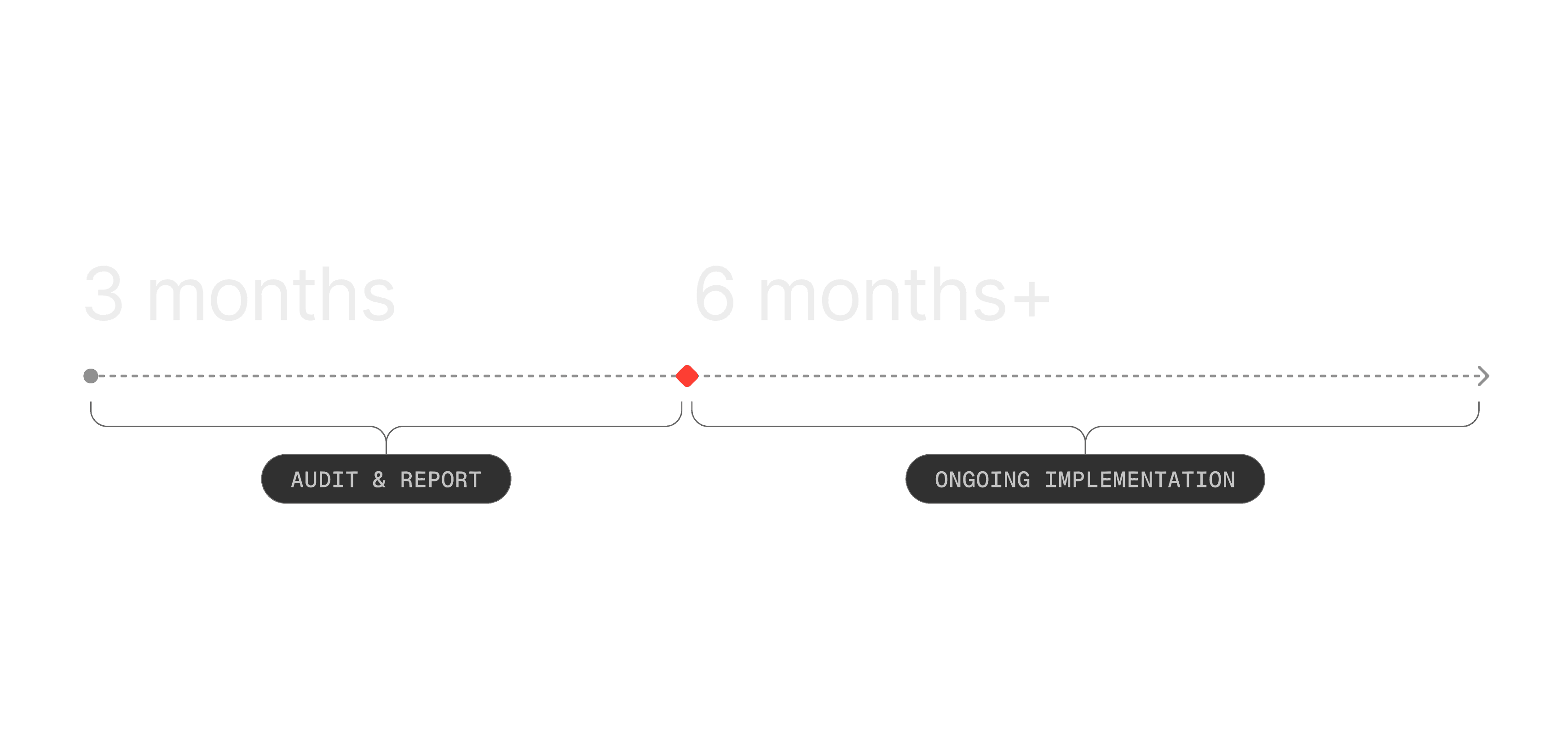
Previously, Natural Intelligence collaborated with Kido on a design infrastructure & processes audit report. This case study focuses on how we partnered with them to implement the report’s recommendations, driving specific improvements in Figma infrastructure, variables setup, and component flexibility.
The Background
Natural Intelligence is a technology company that drives consumer acquisition through comparison websites, helping users make informed choices across sectors such as finance, insurance, and travel.
The organization works at scale, with many cross-functional squads and several design teams collaborating on different products and surfaces.
Previously, Natural Intelligence collaborated with Kido on a design infrastructure & processes audit report. This case study focuses on how we partnered with them to implement the report’s recommendations, driving specific improvements in Figma infrastructure, variables setup, and component flexibility.
The Background
Natural Intelligence is a technology company that drives consumer acquisition through comparison websites, helping users make informed choices across sectors such as finance, insurance, and travel.
The organization works at scale, with many cross-functional squads and several design teams collaborating on different products and surfaces.
Previously, Natural Intelligence collaborated with Kido on a design infrastructure & processes audit report. This case study focuses on how we partnered with them to implement the report’s recommendations, driving specific improvements in Figma infrastructure, variables setup, and component flexibility.
My Role
I joined the project at a later stage: turning the report recommendations into a scalable, real-world implementation. I worked as part of the Kido team partnering closely with Natural Intelligence Design Ops. Together, we supported the optimization and scaling of their design system, while also contributing to day-to-day design team tasks - helping ensure consistency, efficiency, and smooth collaboration as the system evolved.
My Role
I joined the project at a later stage: turning the report recommendations into a scalable, real-world implementation. I worked as part of the Kido team partnering closely with Natural Intelligence Design Ops. Together, we supported the optimization and scaling of their design system, while also contributing to day-to-day design team tasks - helping ensure consistency, efficiency, and smooth collaboration as the system evolved.
My Role
I joined the project at a later stage: turning the report recommendations into a scalable, real-world implementation. I worked as part of the Kido team partnering closely with Natural Intelligence Design Ops. Together, we supported the optimization and scaling of their design system, while also contributing to day-to-day design team tasks - helping ensure consistency, efficiency, and smooth collaboration as the system evolved.
The Problem
At this stage, together with the Natural Intelligence Design Ops team it has been decided to focus on resolving the following challenges:
The need for more flexible color variables and multi-mode support, including dark mode
Preparing for future themes and visual requirements
A design system that worked historically but needed optimization to scale efficiently
High maintenance costs and risk when introducing changes
Scattered components across multiple files, requiring migration into a single source of truth
Components that needed refactoring and improvements for flexibility and usability
Challenges around managing design system contributions across teams
The Problem
At this stage, together with the Natural Intelligence Design Ops team it has been decided to focus on resolving the following challenges:
The need for more flexible color variables and multi-mode support, including dark mode
Preparing for future themes and visual requirements
A design system that worked historically but needed optimization to scale efficiently
High maintenance costs and risk when introducing changes
Scattered components across multiple files, requiring migration into a single source of truth
Components that needed refactoring and improvements for flexibility and usability
Challenges around managing design system contributions across teams
The Problem
At this stage, together with the Natural Intelligence Design Ops team it has been decided to focus on resolving the following challenges:
The need for more flexible color variables and multi-mode support, including dark mode
Preparing for future themes and visual requirements
A design system that worked historically but needed optimization to scale efficiently
High maintenance costs and risk when introducing changes
Scattered components across multiple files, requiring migration into a single source of truth
Components that needed refactoring and improvements for flexibility and usability
Challenges around managing design system contributions across teams
The Scale
While the company needed to support multiple modes and complex visual requirements, the existing design system and Figma setup had opportunities for optimization to better accommodate this complexity and further streamline team workflows.
4
Teams
15
Designers
10
Verticals
7
Main themes
3
Major DS's
The Scale
While the company needed to support multiple modes and complex visual requirements, the existing design system and Figma setup had opportunities for optimization to better accommodate this complexity and further streamline team workflows.
4
Teams
15
Designers
10
Verticals
7
Main themes
3
Major DS's
The Scale
While the company needed to support multiple modes and complex visual requirements, the existing design system and Figma setup had opportunities for optimization to better accommodate this complexity and further streamline team workflows.
4
Teams
15
Designers
10
Verticals
7
Main themes
3
Major DS's
The Main Goals
Based on the pain points prioritization, we were able to define a clear and measurable list of goals:
Simplify and clarify the design system structure to make it easier to use and maintain
Improve component scalability, flexibility, and alignment with development
Enable theming scaling and future growth through a more robust and extensible color and variable system
Support the design team through ongoing collaboration, knowledge sharing, and incremental improvements
The Main Goals
Based on the pain points prioritization, we were able to define a clear and measurable list of goals:
Simplify and clarify the design system structure to make it easier to use and maintain
Improve component scalability, flexibility, and alignment with development
Enable theming scaling and future growth through a more robust and extensible color and variable system
Support the design team through ongoing collaboration, knowledge sharing, and incremental improvements
The Main Goals
Based on the pain points prioritization, we were able to define a clear and measurable list of goals:
Simplify and clarify the design system structure to make it easier to use and maintain
Improve component scalability, flexibility, and alignment with development
Enable theming scaling and future growth through a more robust and extensible color and variable system
Support the design team through ongoing collaboration, knowledge sharing, and incremental improvements
The Process - Components
To empower the design team and ensure reliable implementation, we audited, refactored, and documented some of the key business components of the system.
Components Review & Mapping
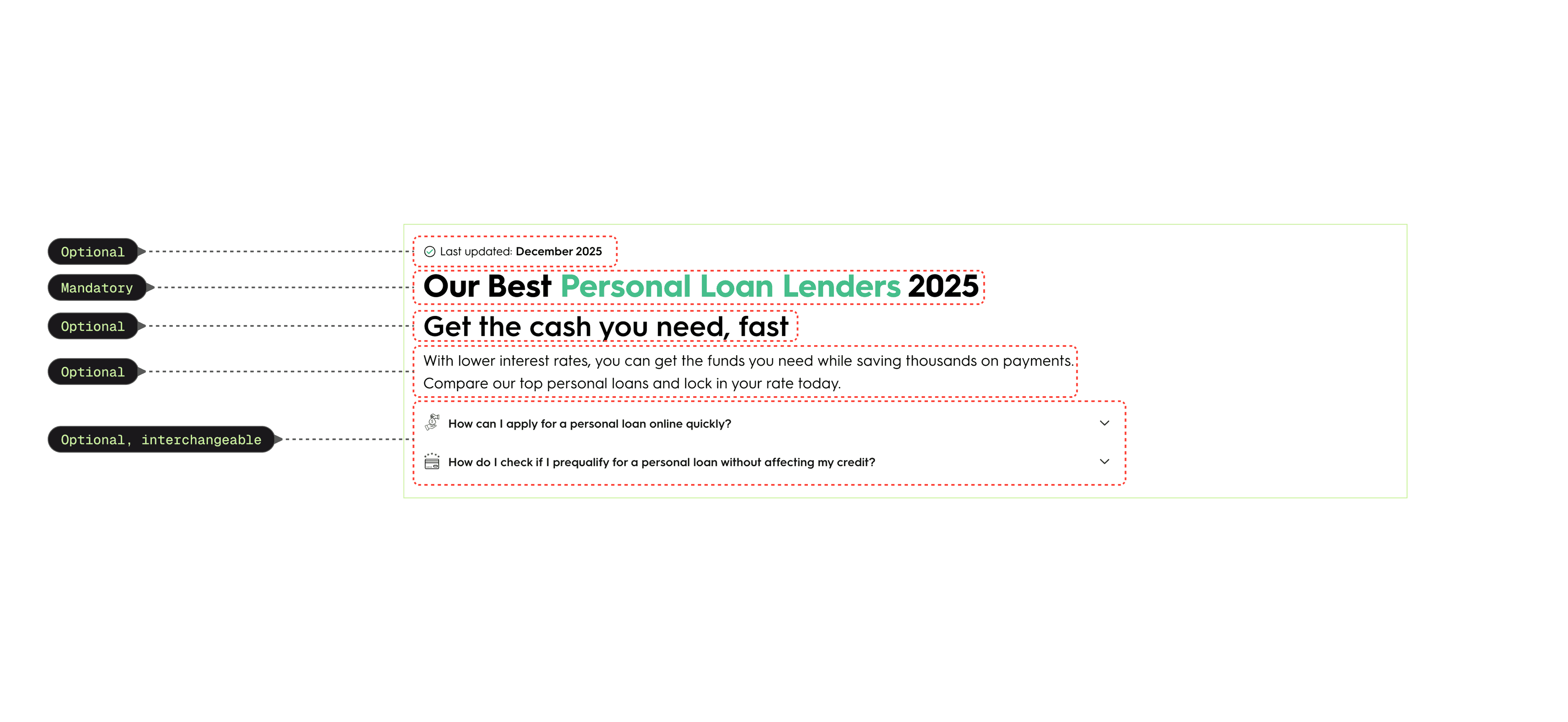
We audited the prioritized components, mapping them according to use cases and analyzing their anatomy. This helped identify which elements were permanent/mandatory versus optional/flexible, ensuring a clear system hierarchy.
Mobile Variants & Constraints
We also included mobile-friendly variants for components and implemented constraints to improve flexibility and maintain consistency across breakpoints.
Search Optimization & Developer Alignment
Optimized component naming and metadata for faster search and easier access in Figma, while aligning with Storybook structure and organization.
Comprehensive Documentation
Finally, we created thorough documentation for the refactored components, including usage, variants, and rules, so team members could confidently implement the components correctly without friction.
The Process - Components
To empower the design team and ensure reliable implementation, we audited, refactored, and documented some of the key business components of the system.
Components Review & Mapping
We audited the prioritized components, mapping them according to use cases and analyzing their anatomy. This helped identify which elements were permanent/mandatory versus optional/flexible, ensuring a clear system hierarchy.
Mobile Variants & Constraints
We also included mobile-friendly variants for components and implemented constraints to improve flexibility and maintain consistency across breakpoints.
Search Optimization & Developer Alignment
Optimized component naming and metadata for faster search and easier access in Figma, while aligning with Storybook structure and organization.
Comprehensive Documentation
Finally, we created thorough documentation for the refactored components, including usage, variants, and rules, so team members could confidently implement the components correctly without friction.
The Process - Components
To empower the design team and ensure reliable implementation, we audited, refactored, and documented some of the key business components of the system.
Components Review & Mapping
We audited the prioritized components, mapping them according to use cases and analyzing their anatomy. This helped identify which elements were permanent/mandatory versus optional/flexible, ensuring a clear system hierarchy.
Mobile Variants & Constraints
We also included mobile-friendly variants for components and implemented constraints to improve flexibility and maintain consistency across breakpoints.
Search Optimization & Developer Alignment
Optimized component naming and metadata for faster search and easier access in Figma, while aligning with Storybook structure and organization.
Comprehensive Documentation
Finally, we created thorough documentation for the refactored components, including usage, variants, and rules, so team members could confidently implement the components correctly without friction.
Header anatomy breakdown approach
Header anatomy breakdown approach
Header anatomy breakdown approach
The Process - Variables
We took a strategic approach to variables, ensuring the design system could adapt to evolving needs and support long-term scalability.
Extending Roles for Flexibility
Variable roles were expanded on demand to give design teams more flexibility while preserving consistency. This allowed designers to explore more visual options without introducing fragmentation.
Scaling for Growth
To support additional brands and future theming needs, the system was scaled to Figma Enterprise. This enabled a more robust and sustainable approach to multi-brand design.
Production-Ready Collaboration
All updates were made on the live system, with continuous communication and knowledge sharing to keep the team aligned and confident in using the evolving setup.
Search & Developer Alignment
Variables were structured and named to improve searchability in Figma and aligned with Storybook, ensuring consistency between design and development.
Documentation & Adoption
Comprehensive documentation was created to support adoption, clarify usage rules, and enable the team to confidently extend the system over time.
The Process - Variables
We took a strategic approach to variables, ensuring the design system could adapt to evolving needs and support long-term scalability.
Extending Roles for Flexibility
Variable roles were expanded on demand to give design teams more flexibility while preserving consistency. This allowed designers to explore more visual options without introducing fragmentation.
Scaling for Growth
To support additional brands and future theming needs, the system was scaled to Figma Enterprise. This enabled a more robust and sustainable approach to multi-brand design.
Production-Ready Collaboration
All updates were made on the live system, with continuous communication and knowledge sharing to keep the team aligned and confident in using the evolving setup.
Search & Developer Alignment
Variables were structured and named to improve searchability in Figma and aligned with Storybook, ensuring consistency between design and development.
Documentation & Adoption
Comprehensive documentation was created to support adoption, clarify usage rules, and enable the team to confidently extend the system over time.
The Process - Variables
We took a strategic approach to variables, ensuring the design system could adapt to evolving needs and support long-term scalability.
Extending Roles for Flexibility
Variable roles were expanded on demand to give design teams more flexibility while preserving consistency. This allowed designers to explore more visual options without introducing fragmentation.
Scaling for Growth
To support additional brands and future theming needs, the system was scaled to Figma Enterprise. This enabled a more robust and sustainable approach to multi-brand design.
Production-Ready Collaboration
All updates were made on the live system, with continuous communication and knowledge sharing to keep the team aligned and confident in using the evolving setup.
Search & Developer Alignment
Variables were structured and named to improve searchability in Figma and aligned with Storybook, ensuring consistency between design and development.
Documentation & Adoption
Comprehensive documentation was created to support adoption, clarify usage rules, and enable the team to confidently extend the system over time.
The Process - Team Collaboration
We worked closely with the team to maintain, improve, and communicate design system practices in their day-to-day work.
Continuous File Audits & Process Optimization
We regularly reviewed design files and workflows, providing feedback and suggestions to help optimize how the team worked with the design system in practice.
Design System Updates
We participated in regular design update meetings to share design system changes, communicate best practices, and ensure everyone stayed aligned as the system evolved.
Ongoing Day-to-Day Support
Alongside strategic work, we supported the team with daily tasks - answering questions, helping unblock designers, and adapting the system to real, ongoing needs.
The Process - Team Collaboration
We worked closely with the team to maintain, improve, and communicate design system practices in their day-to-day work.
Continuous File Audits & Process Optimization
We regularly reviewed design files and workflows, providing feedback and suggestions to help optimize how the team worked with the design system in practice.
Design System Updates
We participated in regular design update meetings to share design system changes, communicate best practices, and ensure everyone stayed aligned as the system evolved.
Ongoing Day-to-Day Support
Alongside strategic work, we supported the team with daily tasks - answering questions, helping unblock designers, and adapting the system to real, ongoing needs.
The Process - Team Collaboration
We worked closely with the team to maintain, improve, and communicate design system practices in their day-to-day work.
Continuous File Audits & Process Optimization
We regularly reviewed design files and workflows, providing feedback and suggestions to help optimize how the team worked with the design system in practice.
Design System Updates
We participated in regular design update meetings to share design system changes, communicate best practices, and ensure everyone stayed aligned as the system evolved.
Ongoing Day-to-Day Support
Alongside strategic work, we supported the team with daily tasks - answering questions, helping unblock designers, and adapting the system to real, ongoing needs.
Results & Impact
The impact of this work comes from continuous collaboration with the Natural Intelligence team, which is still ongoing, ensuring system improvements remain aligned with day-to-day design needs.
Scaled the system for growth and speed
Expanded variables (up to 40 modes) and introduced dark mode, reducing manual work and saving designers hours across daily workflows.
Enabled faster, more confident design work
Refactored core components and expanded background variables, increasing flexibility while reducing errors and rework.
Improved adoption and day-to-day efficiency
Helped enrich the Common DS as a single source of truth and supported the team through continuous audits and knowledge sharing, making the system easier to use and maintain.
Results & Impact
The impact of this work comes from continuous collaboration with the Natural Intelligence team, which is still ongoing, ensuring system improvements remain aligned with day-to-day design needs.
Scaled the system for growth and speed
Expanded variables (up to 40 modes) and introduced dark mode, reducing manual work and saving designers hours across daily workflows.
Enabled faster, more confident design work
Refactored core components and expanded background variables, increasing flexibility while reducing errors and rework.
Improved adoption and day-to-day efficiency
Helped enrich the Common DS as a single source of truth and supported the team through continuous audits and knowledge sharing, making the system easier to use and maintain.
Results & Impact
The impact of this work comes from continuous collaboration with the Natural Intelligence team, which is still ongoing, ensuring system improvements remain aligned with day-to-day design needs.
Scaled the system for growth and speed
Expanded variables (up to 40 modes) and introduced dark mode, reducing manual work and saving designers hours across daily workflows.
Enabled faster, more confident design work
Refactored core components and expanded background variables, increasing flexibility while reducing errors and rework.
Improved adoption and day-to-day efficiency
Helped enrich the Common DS as a single source of truth and supported the team through continuous audits and knowledge sharing, making the system easier to use and maintain.
Reflection
This project reinforced that scaling a design system is as much about collaboration and process as it is about components and variables.
Working directly in a live system required careful coordination, clear communication, and trust across the team. By focusing on how designers actually work day to day and maintaining an ongoing partnership with the Natural Intelligence team, we were able to deliver immediate improvements while building a foundation that can continue to scale and evolve over time.
Reflection
This project reinforced that scaling a design system is as much about collaboration and process as it is about components and variables.
Working directly in a live system required careful coordination, clear communication, and trust across the team. By focusing on how designers actually work day to day and maintaining an ongoing partnership with the Natural Intelligence team, we were able to deliver immediate improvements while building a foundation that can continue to scale and evolve over time.
Reflection
This project reinforced that scaling a design system is as much about collaboration and process as it is about components and variables.
Working directly in a live system required careful coordination, clear communication, and trust across the team. By focusing on how designers actually work day to day and maintaining an ongoing partnership with the Natural Intelligence team, we were able to deliver immediate improvements while building a foundation that can continue to scale and evolve over time.
Made with ❤️ In Israel © 2025 Julia Skigar. All rights reserved.
Made with ❤️ In Israel © 2025 Julia Skigar. All rights reserved.
Made with ❤️ In Israel © 2025 Julia Skigar. All rights reserved.